Who we are
The businessCareful work, explained plainly
Most calls are simple: something has stopped working, or a room needs more sockets than it was built with. Some turn out to be a board that should have been replaced a decade ago, and we will tell you that too, with the reasons.
What we will not do is talk you into a rewire you do not need, or leave you with work that somebody else has to certify.
 Photo: Antonio Avanti / Pexels
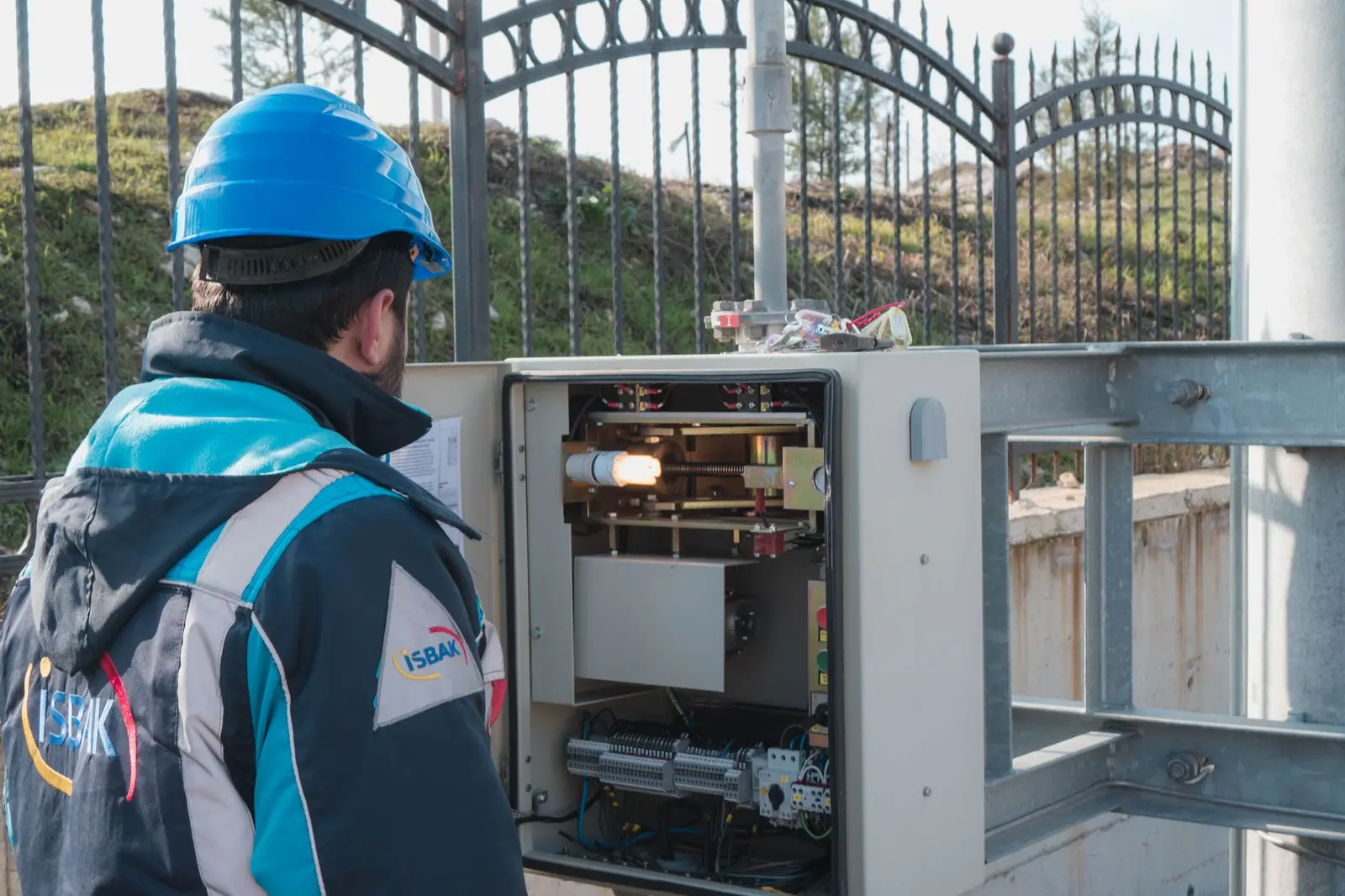 Photo: Sami Abdullah / Pexels
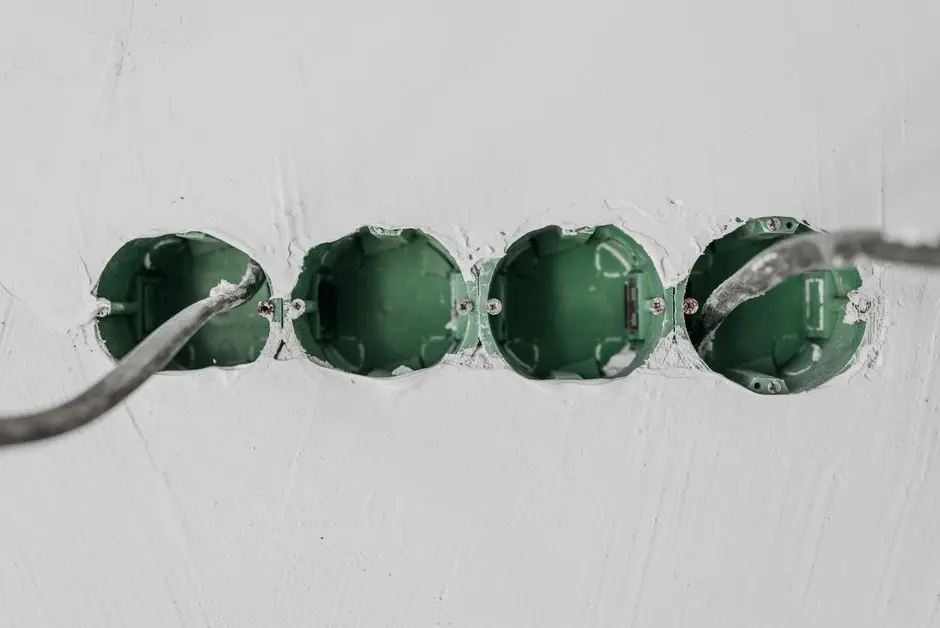 Photo: Pavel Danilyuk / Pexels
How we work
Electrics are not something to guess at, so every job follows the same steps.
- Step 1
Tell us the problem
A breaker that keeps tripping, a new socket, a whole rewire.
- Step 2
We look first
And tell you what it needs, and what it costs, before starting.
- Step 3
Safe work
Power off at the board, the circuit proved dead, and the job done properly.
- Step 4
Tested and labelled
Every circuit we touch is tested before we pack up, and the board is left readable.
Worth knowing
- 01Tested and written upYou get the readings and the paperwork for the work, not a verbal assurance.
- 02Priced before we startThe rate for small jobs, a quote for big ones, and no drift in between.
- 03Small jobs tooA socket, a light, a fan — the ones other firms cannot be bothered with.
- 04Left tidyHoles made good, dust cleared, the board labelled, and nothing live left uncovered for a second.
Before we come
Know where your board is and make sure we can get to it. If something has tripped, note what was running at the time — it usually points straight at the fault.
For larger work, think about where you actually want sockets and switches before we start: moving them later costs more than putting them in the right place now.