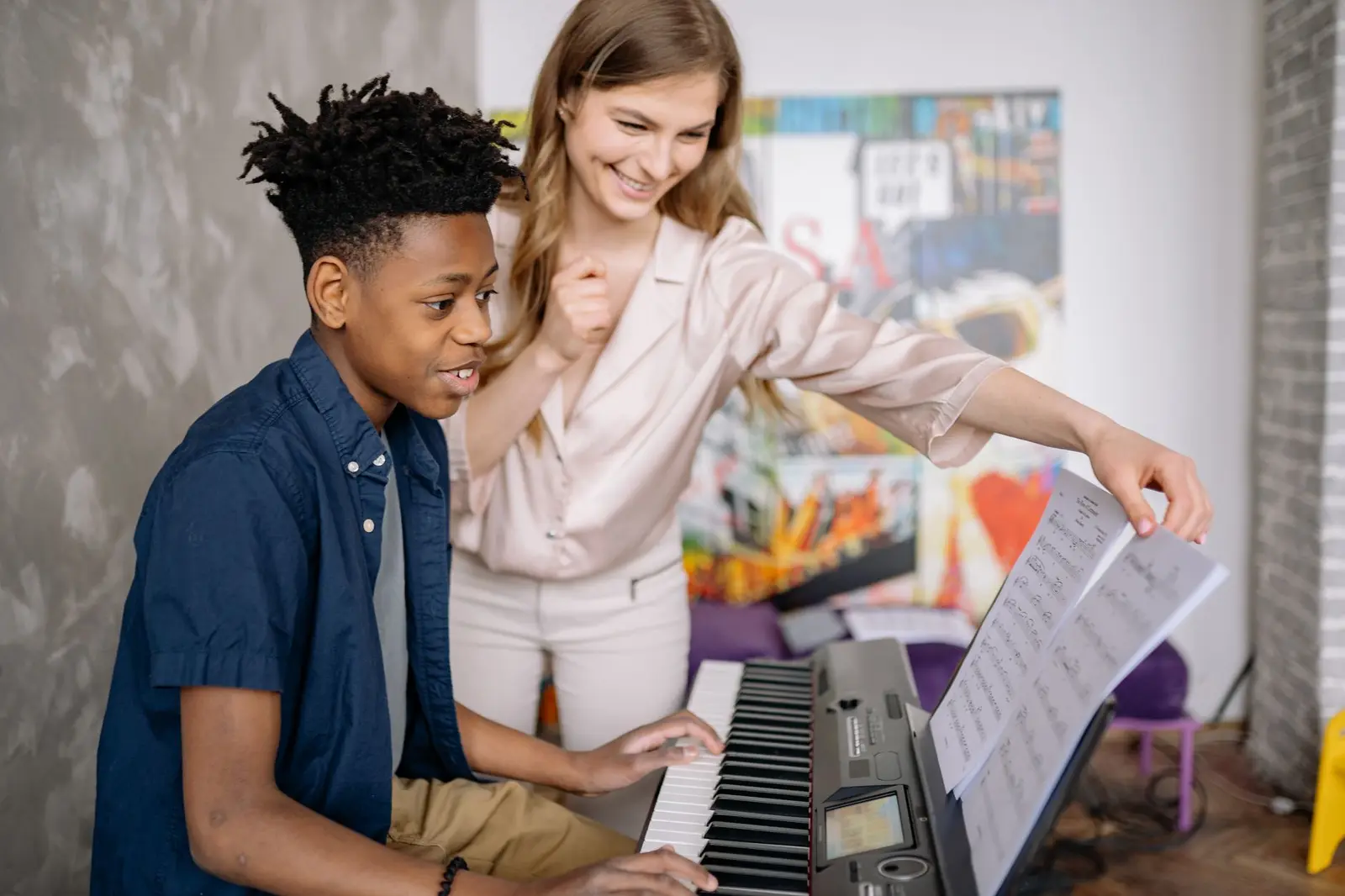
 Photo: Yan Krukau / Pexels
Learn the instrument you keep meaning to play
Lessons for children and for adults who think they have left it too late. You have not, and you will be playing something you recognise sooner than you think.
- 01 / 04ListenWhat you want to play.
- 02 / 04BasicsHands, posture and rhythm.
- 03 / 04PracticePieces you actually like.
- 04 / 04PlayFor yourself, or for others.
What we teach
Beginners
From the first note: how to hold it, how to sit, and how not to build a habit that has to be undone later.
Children
Lessons that keep it enjoyable, with parents told exactly what to help with at home.
Adults
Returning after years, or starting for the first time.
Reading music
Notes, rhythm and sight-reading, taught alongside playing rather than instead of it.
Chords and by ear
Chord shapes, tablature and working a song out from a recording, for the people who came for that.
Technique
Scales, hand position and the unglamorous minutes that make the pieces possible.
Exam and audition preparation
Grades, auditions and entrance exams for a music school, with mock runs and honest feedback.
Playing with others
Ensembles, bands and what changes when somebody else is counting.
Songwriting and arranging
For people who want to make something of their own.
Online lessons
For when travel, weather or a busy week gets in the way.
Good to know
- 1
Music you like
We work towards pieces you actually want to play, alongside the scales that make them possible.
- 2
Honest about practice
Twenty minutes most days beats two hours on a Sunday, and we will say so.
- 3
Exams if you want them
Grades are an option, not the point. Plenty of people never take one.
- 4
Adults welcome
Beginners at any age, and nobody minds that you stopped at eleven.
The lessonsTeaching people, not just the instrument
Everybody learns differently: some by reading, some by ear, some by being shown the shape of it and copying. Finding which one you are is most of the first month.
Progress comes from short, regular practice, so lessons are built around what you can realistically do between them rather than what a syllabus says you should.
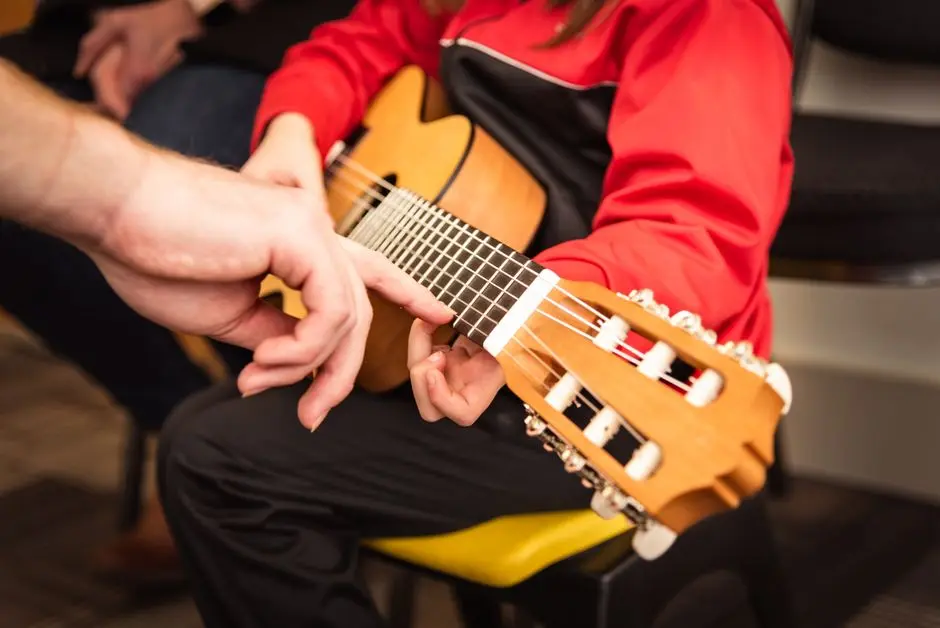 Photo: Vlad Vasnetsov / Pexels
Starting lessons
For complete beginners and people coming back to it.
- Step 1
A trial lesson
Meet, play a little, and talk about what you want to be able to play.
- Step 2
A plan
Three pieces you want, and the technique and reading that get you there.
- Step 3
Weekly lessons
With short practice notes to take home, written down rather than remembered.
- Step 4
Play for someone
An informal concert or an exam, only if you want one.
Questions people ask
How much practice is needed?
Twenty minutes most days is plenty at the start, and better than one long session.
Do I need my own instrument?
To practise between lessons, yes. Ask before buying — we will tell you what is worth the money and what is not.
Do I have to learn to read music?
Not to start playing, but it is worth it, and we teach it alongside rather than as a hurdle before the fun part.
How old should a child be?
It depends on the child and the instrument more than the age. Come for one lesson and we will tell you honestly.
Do I have to take exams?
No. Some people love them, some never take one, and both get on fine.
What if I have no sense of rhythm?
Almost everybody says that. It is learned, like everything else — usually with a metronome and less pain than you expect.
Where lessons happen
The room, the instruments, and students playing, with their permission.
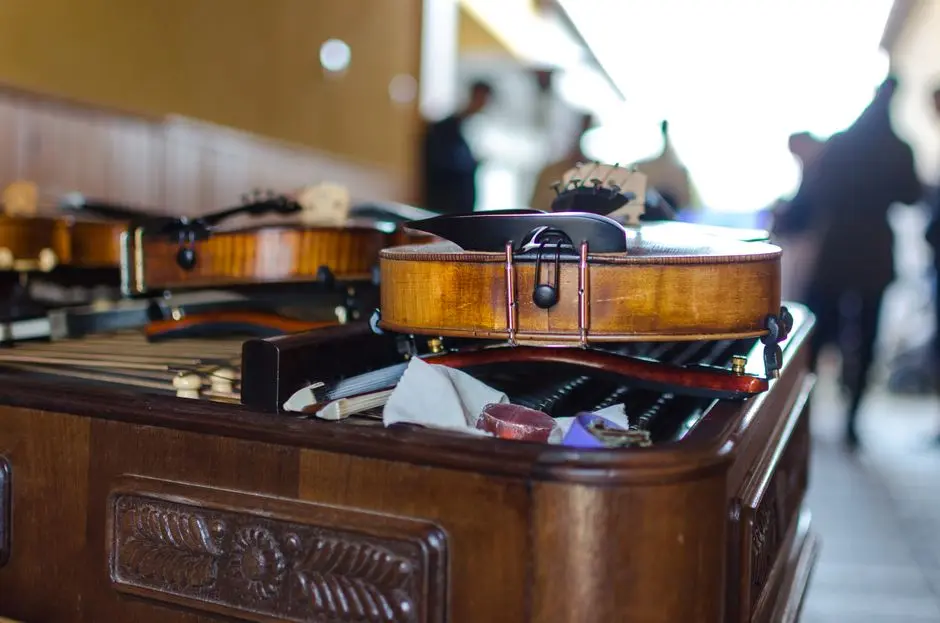 Photo: Lukas Blazek / Pexels
01 / 04
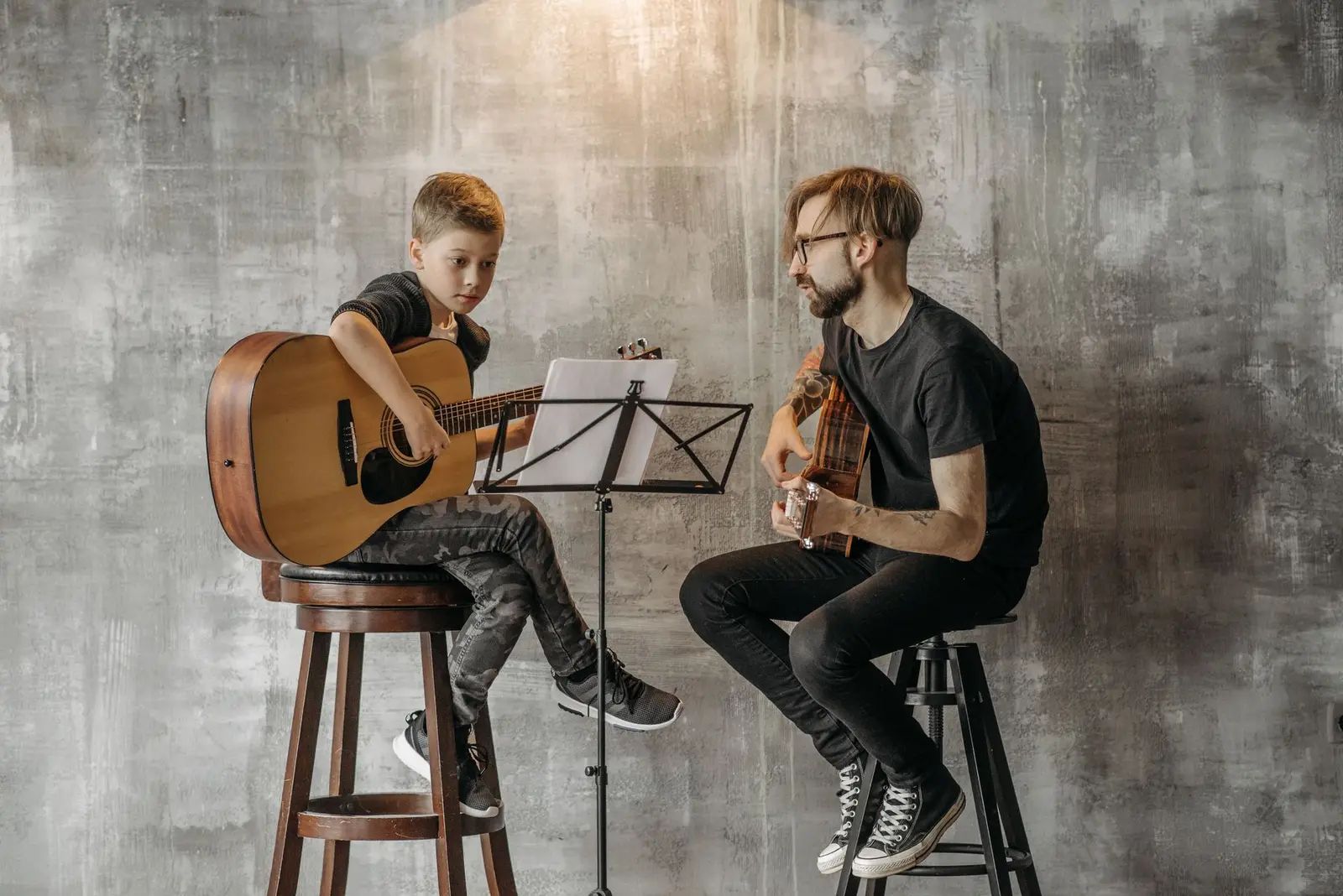 Photo: Pavel Danilyuk / Pexels
02 / 04
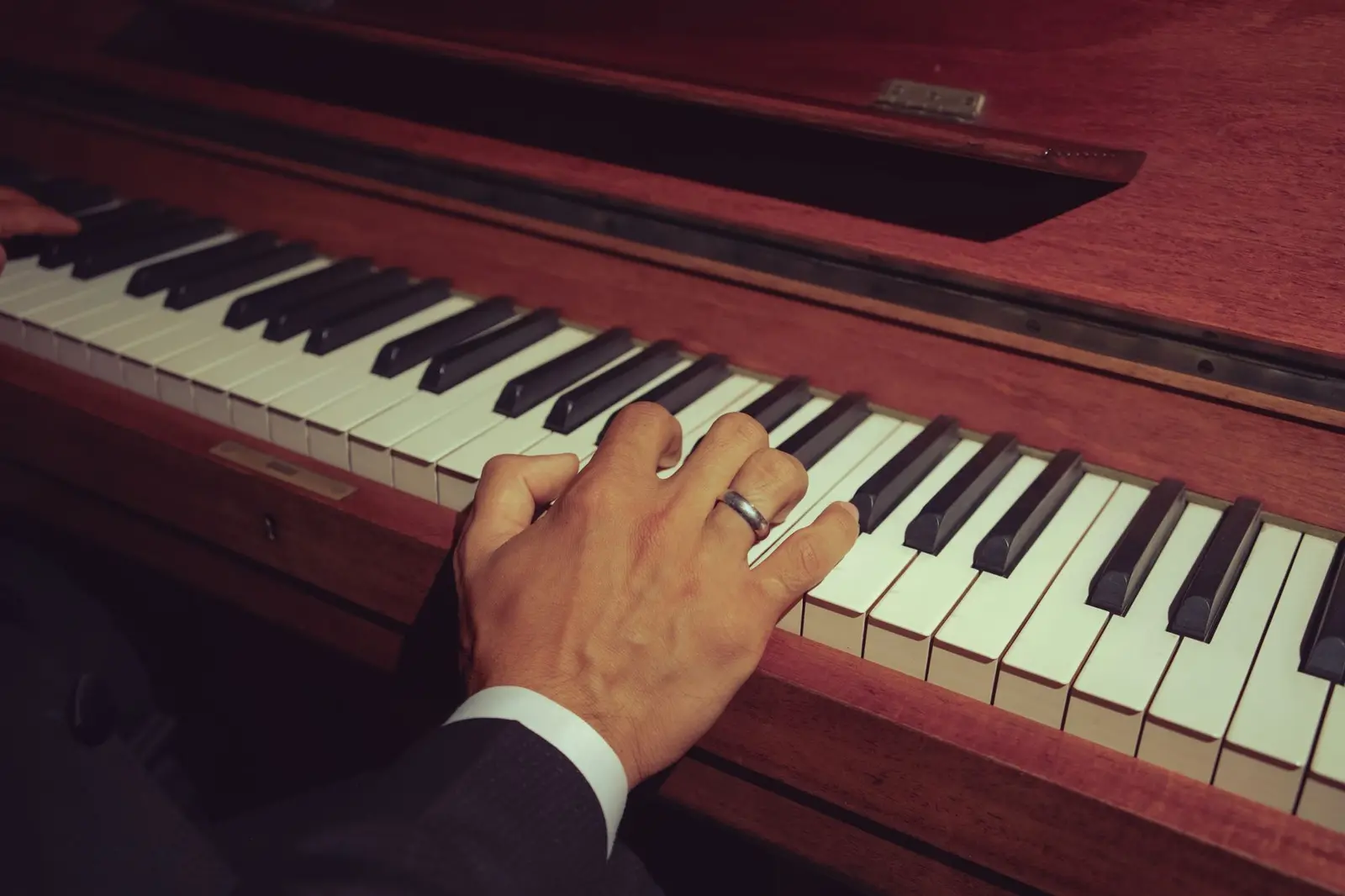 Photo: khezez | خزاز / Pexels
03 / 04
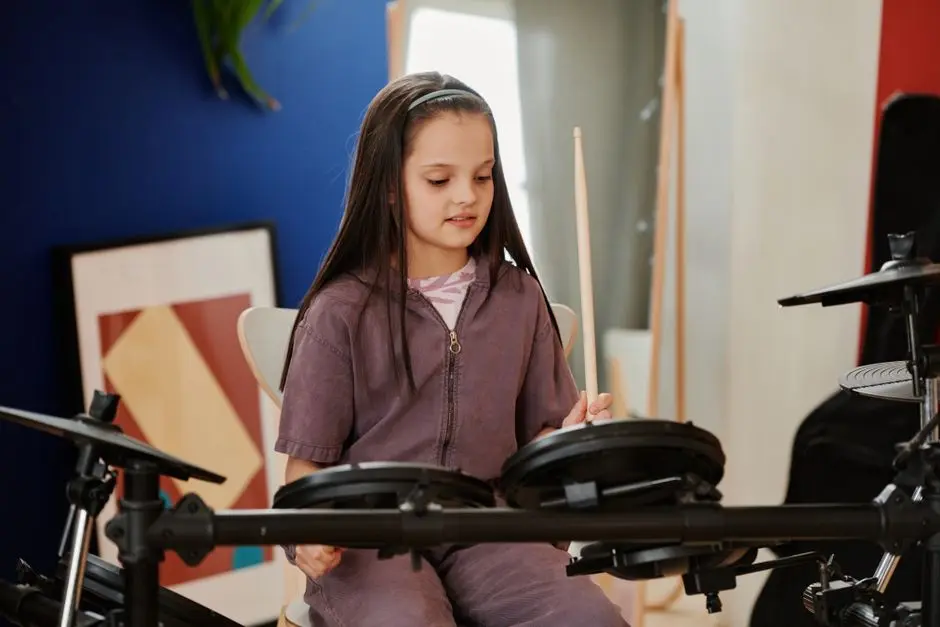 Photo: Boris Pavlikovsky / Pexels
04 / 04
Instrument gathering dust?
One lesson is enough to find out whether this year is the year.
Monday to Friday, after school until 8pm
Ask about lessons
Send the instrument, who the lessons are for, any experience, and when you are free. We answer the same day.
1 Example Street, Anytown
When lessons are
Daytime slots exist for adults who can come then.
- Monday to Friday
- after school until 8pm
- Saturday
- mornings
- Sunday
- closed