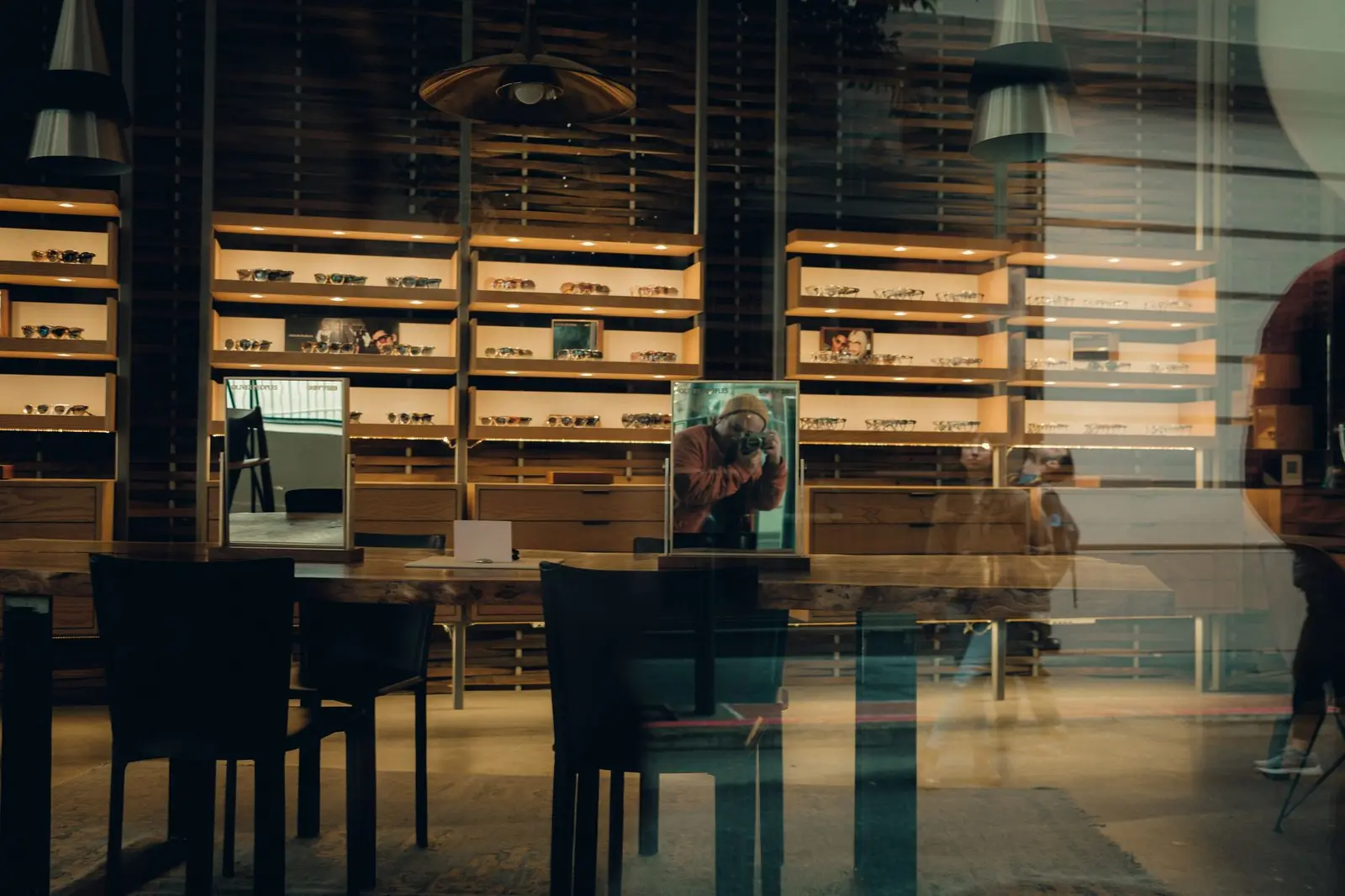
 Photo: Airam Dato-on / Pexels
A proper sight test, and no pressure afterwards
Half an hour with somebody who explains what they are looking at, frames you can take your time over, and lenses chosen for what you actually do all day. Bring your old glasses.
Worth knowing
- 1
Time to test properly
Half an hour, with the health of the eye checked as well as the prescription.
- 2
Told plainly
If nothing has changed, we say so. A test is not a sale.
- 3
Frames at every price
From plain and sturdy to the ones you will be pleased with for years.
- 4
Fitted, not just sold
Pupil distance and heights measured for your frame, so varifocals land where they should.
Your sight test
About half an hour, and nothing you need to prepare.
- 01
A few questions
Your eyes, your health, and what you use them for all day.
- 02
The test
Your prescription measured, and the health of your eyes looked at too.
- 03
The result explained
Whether anything has changed, and what it means for you.
- 04
Frames and lenses
Measured, tried on without hurry, and no pressure to buy.
What we do
Sight tests
Computerised measurement and a full refraction, with the health of the eye checked and your prescription explained.
Prescription glasses
Frames and lenses made to your prescription, measured and fitted on your face.
Single vision, bifocal and varifocal lenses
Explained honestly, including which one is worth the money for you.
Contact lenses
Fitting, teaching and a trial pair before you commit — daily, monthly and toric for astigmatism.
Lens coatings and tints
Anti-reflection, scratch-resistant, photochromic and blue-light filters.
Children's eyes
Tests for children who cannot yet read a chart, and frames that survive them.
Driving and screens
Lenses for night driving and for a working day spent at a monitor.
Prescription sunglasses
Tinted or polarised, in your prescription, for people who find bright days hard.
Reading glasses
For the age when small print starts moving further away.
Repairs and adjustments
Screws, arms, hinges and nose pads — bring them in, wherever they came from.
Dry and tired eyes
Advice and drops for eyes that sting by the afternoon.
In the shop
The testing room, the frames, and the people who will look after you.
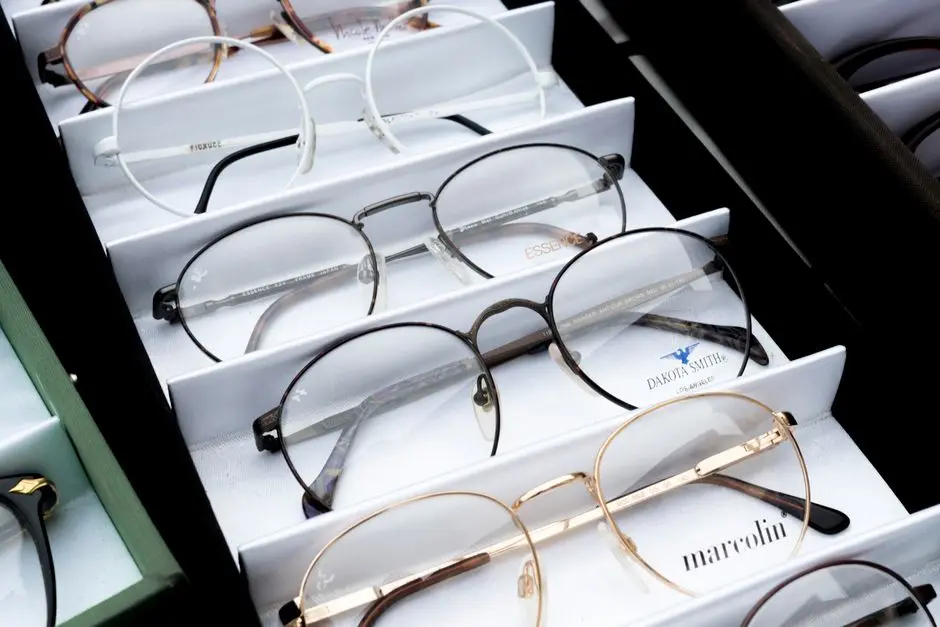 Photo: Francesco Paggiaro / Pexels
 Photo: Andrea De Santis / Pexels
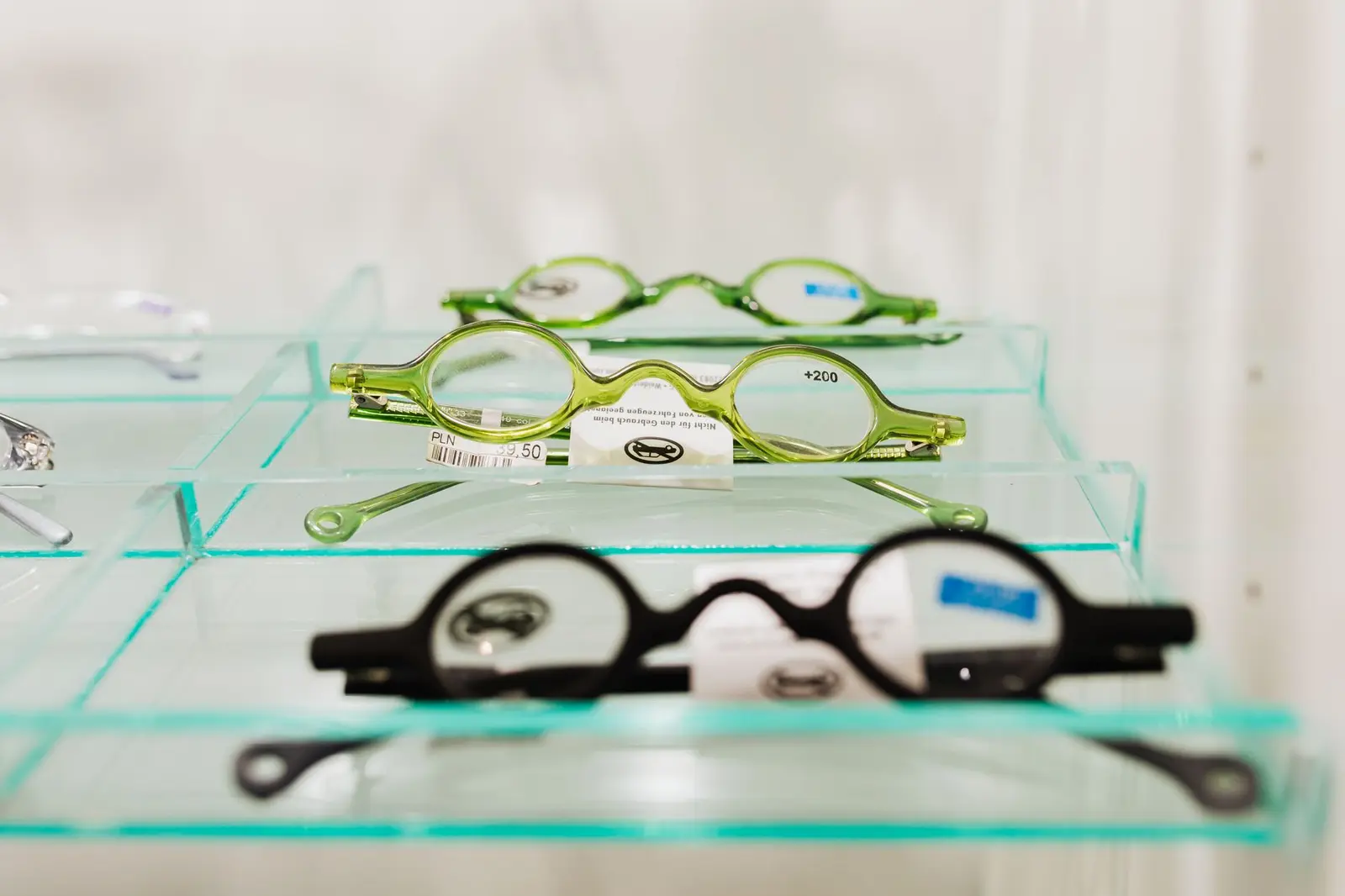 Photo: kaboompics.com / Pexels
 Photo: Marcus Aurelius / Pexels
Questions people ask
How often should I have my eyes tested?
Every two years for most adults, every year for children and for anybody we have asked to come back sooner.
Do I have to buy glasses here?
No. You get your prescription to take away, and you are welcome to think about it.
How long do glasses take?
Usually a few working days. Varifocals and stronger prescriptions take a little longer, and we will say so when you order.
Can you use my own frames?
Often, yes, if they are sound. Bring them and we will tell you honestly before we touch them.
Are varifocals worth it?
For some people, yes; for others two pairs work better and cost less. We will tell you which you are.
My child squints at the television.
Bring them in. Tests for children are quick, and nothing has to be read aloud.
 Photo: Ammad Rasool / Pexels
The practiceLooking after eyes, not shifting frames
A sight test is a health check that happens to end in glasses. We measure the prescription, look at the back of the eye, compare it with last time, and tell you what we see.
When you do need glasses, we take the time to get them right: the lens for the distance you actually work at, the coating that earns its place, and a frame that suits your face rather than the window display.
Due a test?
Book half an hour and find out where your eyes actually are.