 Photo: Blue Bird / Pexels
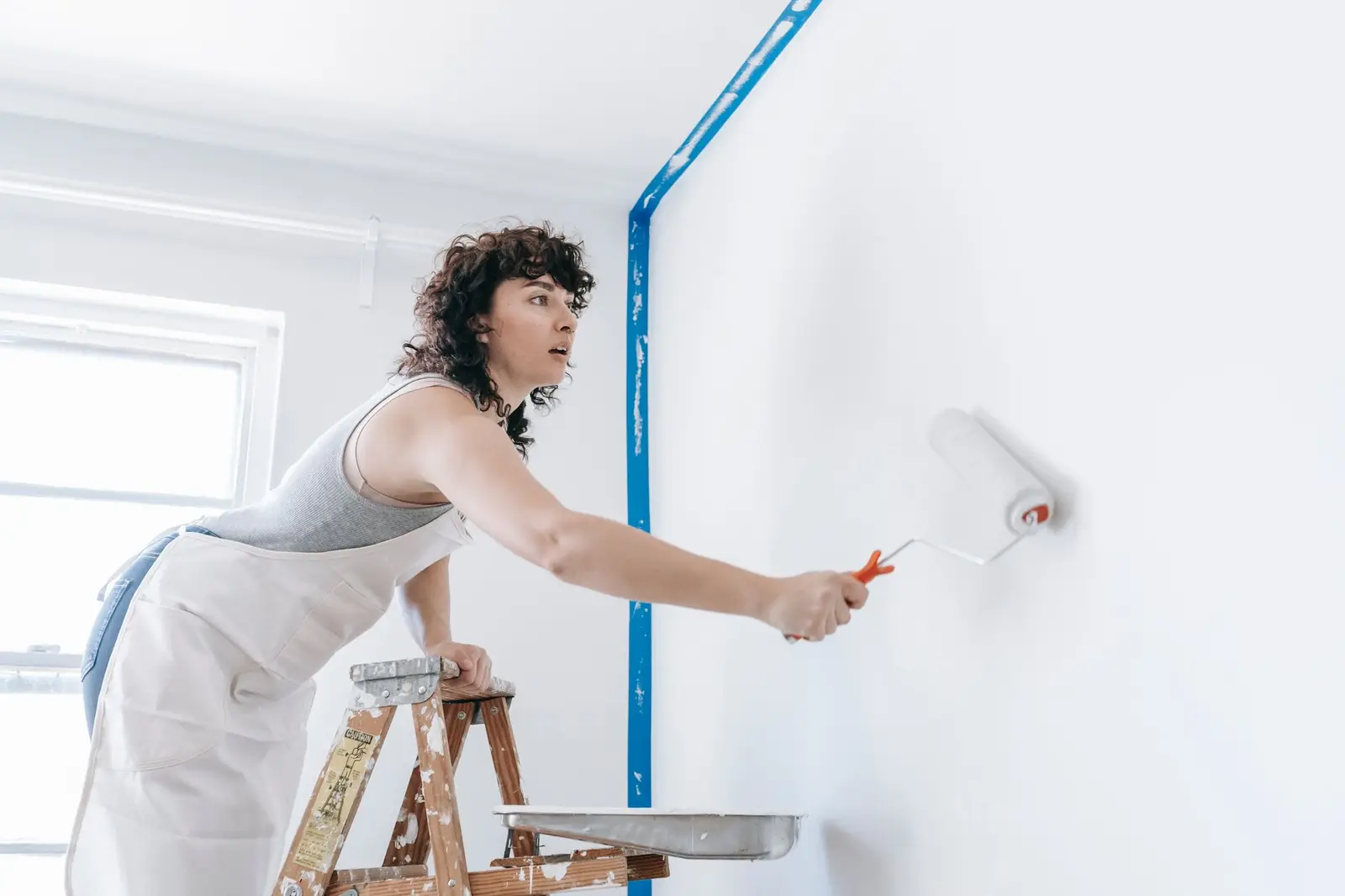
The preparation is the job
Filled, caulked, sanded, taped and covered before a brush comes out — which is why the edges are straight and it still looks right in five years.
- 01 / 04PrepFurniture covered, walls filled.
- 02 / 04PrimeThe base the colour needs.
- 03 / 04PaintEven coats, clean edges.
- 04 / 04FreshCleared up and ready to live in.
Rooms we have done
Before and after, including the walls that were worse than they looked.
 Photo: kaboompics.com / Pexels
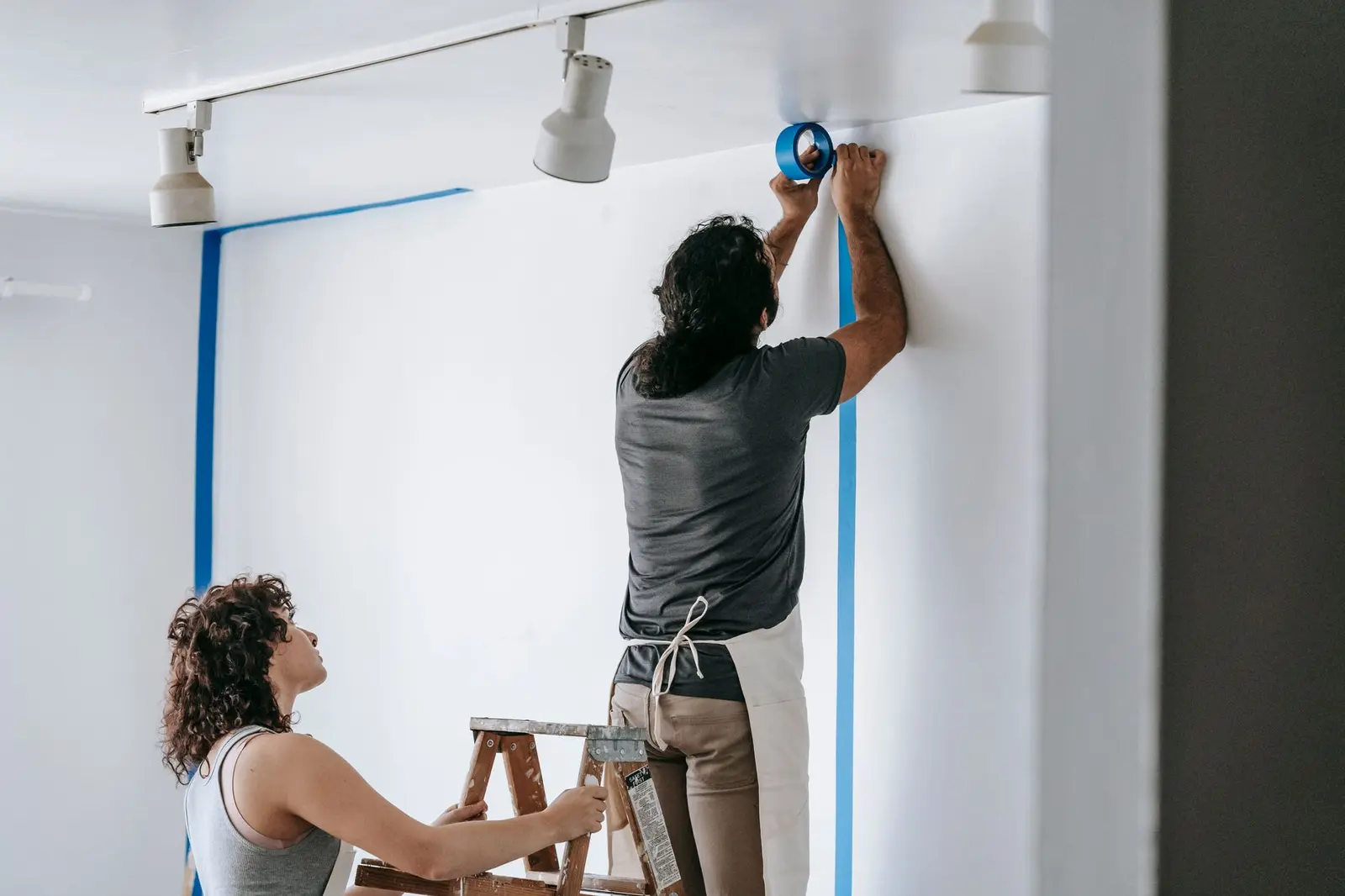 Photo: Blue Bird / Pexels
 Photo: Jan van der Wolf / Pexels
 Photo: Tima Miroshnichenko / Pexels
What we do
- 01RoomsWalls and ceilings, prepared, primed and finished in as many coats as it takes.
- 02Whole housesNew builds and old, done room by room around you living there.
- 03New plasterMist coat first, so the paint bonds instead of peeling off in a year.
- 04Skimming and fillingTired walls made flat again before any colour goes near them.
- 05WoodworkDoors, frames, skirting and stairs in satin or gloss, sanded properly between coats.
- 06WallpaperHung, and old paper taken off without wrecking the wall underneath.
- 07Damp and stained wallsSealed and treated first, so the stain does not come back through.
- 08OutsideMasonry, render, windows and doors, done in the right weather rather than the convenient week.
- 09Spray finishingFor doors, units and large ceilings where a roller would show every pass.
- 10RestorationOld plaster and mouldings made good rather than covered up.
- 11Small jobsOne room, one ceiling, or the patch left by somebody else.
What we promise
Prepared properly
Cracks filled, gaps caulked, walls sanded, and anything flaking taken back rather than painted over.
Your house stays usable
Dust sheets down, furniture covered and moved back each evening.
Straight lines
Cut in by hand, without tape doing the work for us.
Enough coats
Primer where it is needed and two topcoats as standard, not one thin one that shows the wall through.
How a room gets painted
Most of a good finish is preparation, so that is where we start.
- Step 1Colours and quote
We look at the rooms, talk colours and finishes, and give a fixed price.
- Step 2Protect
Furniture moved and covered, floors sheeted, sockets and edges masked.
- Step 3Prepare
Cracks filled, gaps caulked, surfaces sanded, and primed or mist-coated where they need it.
- Step 4Paint
Two topcoats, cut in by hand, with a sand between coats on the woodwork.
- Step 5Check and clear
Looked over in daylight, touched in, and everything put back where it was.
 Photo: Ivan S / Pexels
The businessDecorating without living in a building site
Most of a good paint job happens before any colour goes on, and most of the difference you notice afterwards is in the edges and the number of coats.
We work room by room where we can, so you keep the rest of the house, and we tell you honestly how long we will be in it.
Questions people ask
How long will a room take?
Two or three days for most rooms, including the preparation. We will tell you when we look.
Do I need to move out?
Almost never. We work around you and cover everything, and you get the room back each evening.
Do you supply the paint?
Either way. Tell us what you want and we will get it, or use what you have bought.
How many coats do you do?
Two topcoats as standard, and more over a strong colour. If one will genuinely do, we will say so.
Can you match a colour?
Bring a piece of it or a photograph in daylight and we will get as close as paint allows.
What about the smell?
We use low-odour paints indoors where we can, and ventilate as we go.
Room needing doing?
Send a photograph and the measurements and we will tell you what it would cost.