 Photo: Lê Đức / Pexels
Back to the thing you stopped doing
Assessment, hands-on treatment and a home exercise programme — for back and neck pain, sports injuries and recovery after an operation.
What we treat
Back and neck pain
Including sciatica, disc problems and necks that have stiffened at a desk.
Shoulders and knees
Frozen shoulder, tennis elbow, runner's knee and the ones that catch on the stairs.
Rehabilitation after an operation
Knee, hip and shoulder surgery, worked back in stages with your surgeon's protocol.
Sports injuries
Assessed, treated and taken back to training rather than rested indefinitely.
Manual therapy and massage
Hands-on work on joints and soft tissue, the part most people come for.
Exercise programme (kinesitherapy)
The part that keeps it away: progressive exercises you can do at home.
Shockwave therapy
For stubborn tendon pain — heels, elbows and shoulders that have not settled.
Laser, ultrasound and magnet therapy
Used where they speed things up, not as a routine add-on.
Electrotherapy and TENS
For pain that is stopping you sleeping or moving enough to recover.
Kinesio taping
Support that lets you keep working while the tissue settles.
Posture and desk assessments
For the pain that comes back every Monday afternoon.
Home visits
Where getting here is the problem, especially after surgery.
Our way of working
An hour, one to one
The same physiotherapist each session, not passed around a rota.
Treated on the first day
The assessment and the first treatment are the same appointment.
Exercises you will do
A few that fit your day, adjusted when they stop being hard enough.
Told how many
An honest estimate of how many sessions it should take, and what will change first.
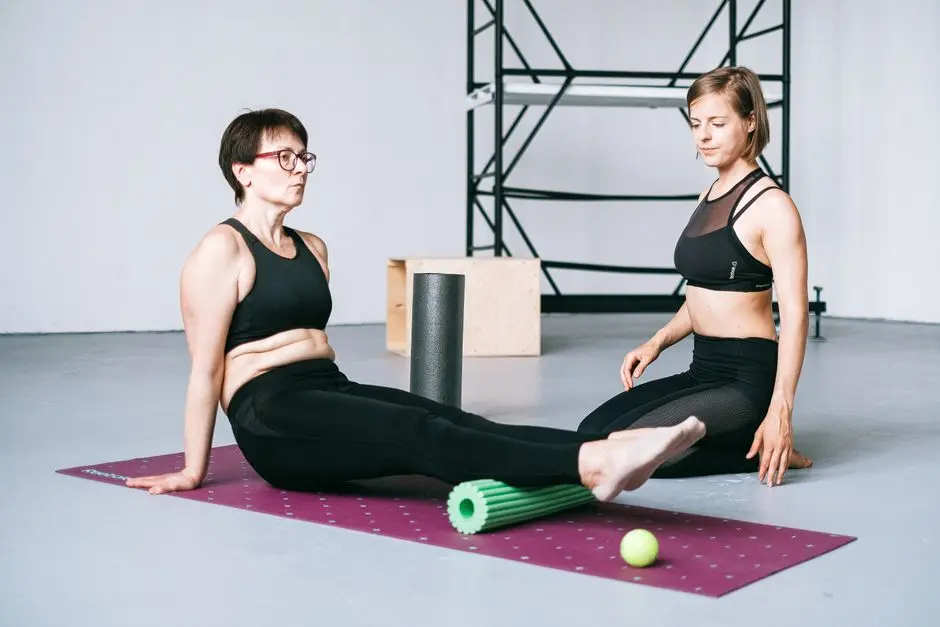 Photo: Anna Shvets / Pexels
The practiceGetting people moving again
Most of what we see is ordinary: a back that went while lifting, a shoulder that has seized up, a knee that has never been right since an operation. None of it needs mystery — it needs a proper look, hands-on work and exercises that build the thing back up.
You will be told what we think is wrong in plain words, what we can do about it, and roughly how long it takes. If we are not the right people, we will say so and tell you who is.
The practice
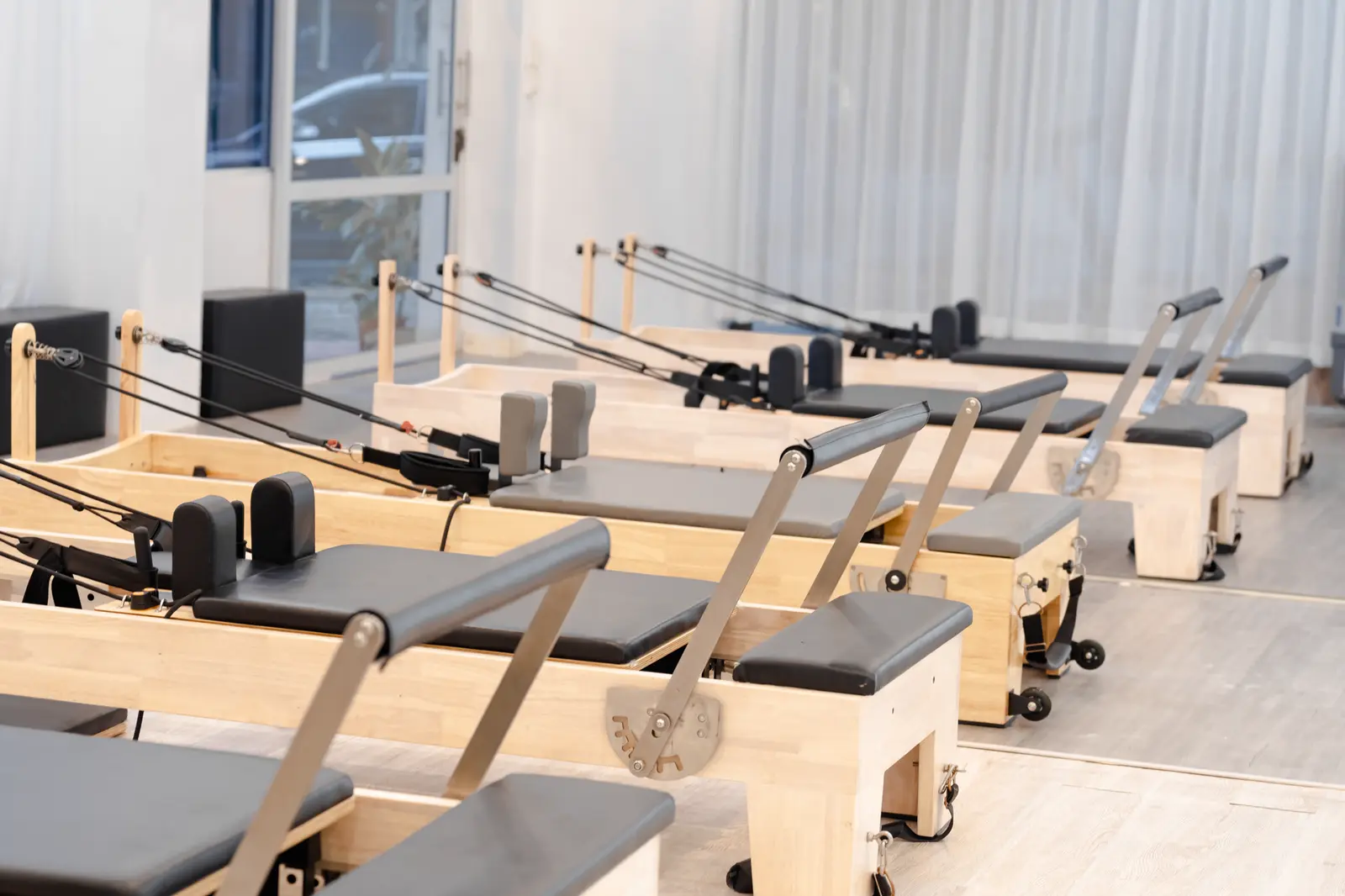
The treatment rooms, the gym and the equipment we use.
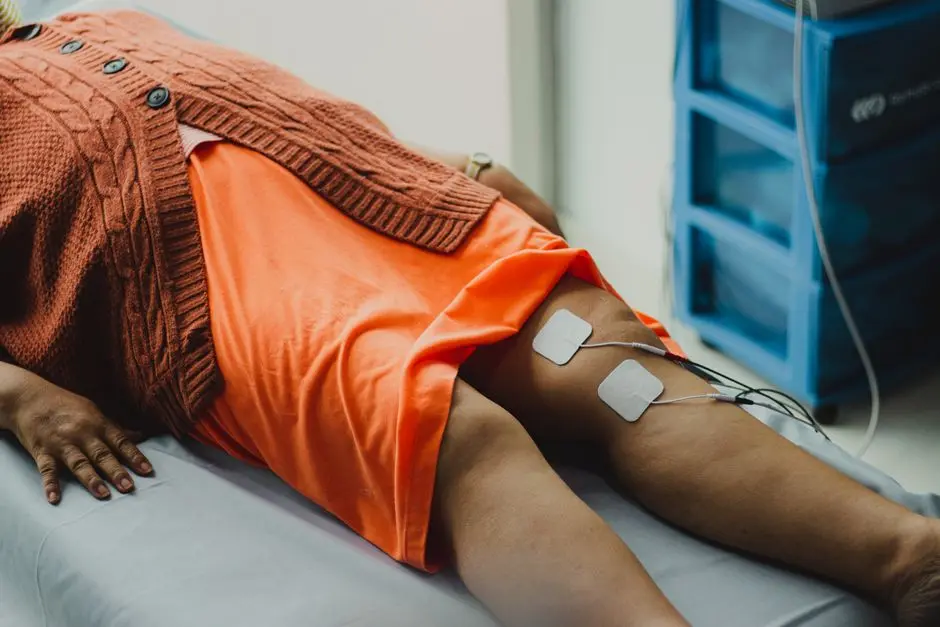 Photo: Juan Manuel Montejano Lopez / Pexels
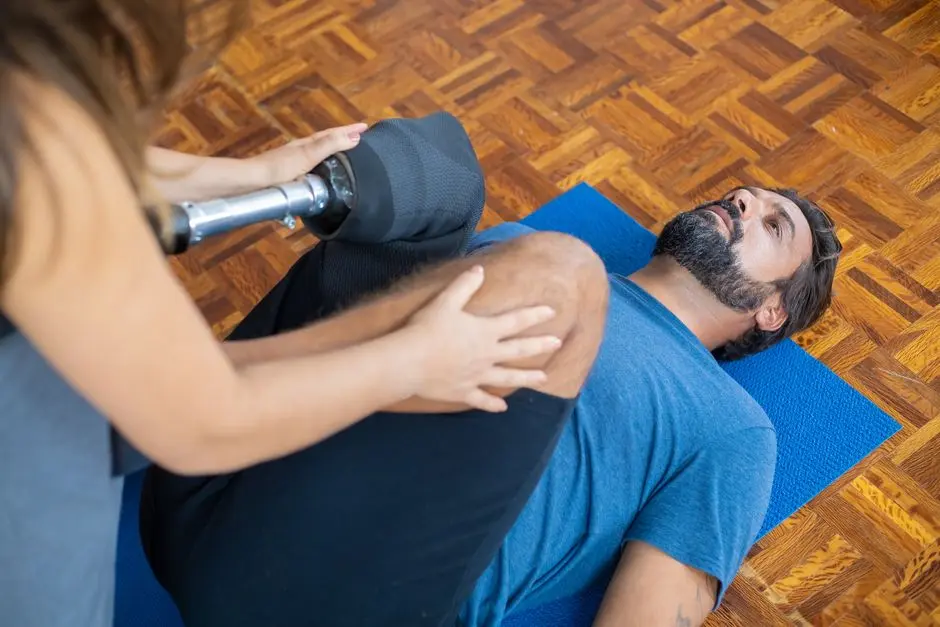 Photo: Kampus Production / Pexels
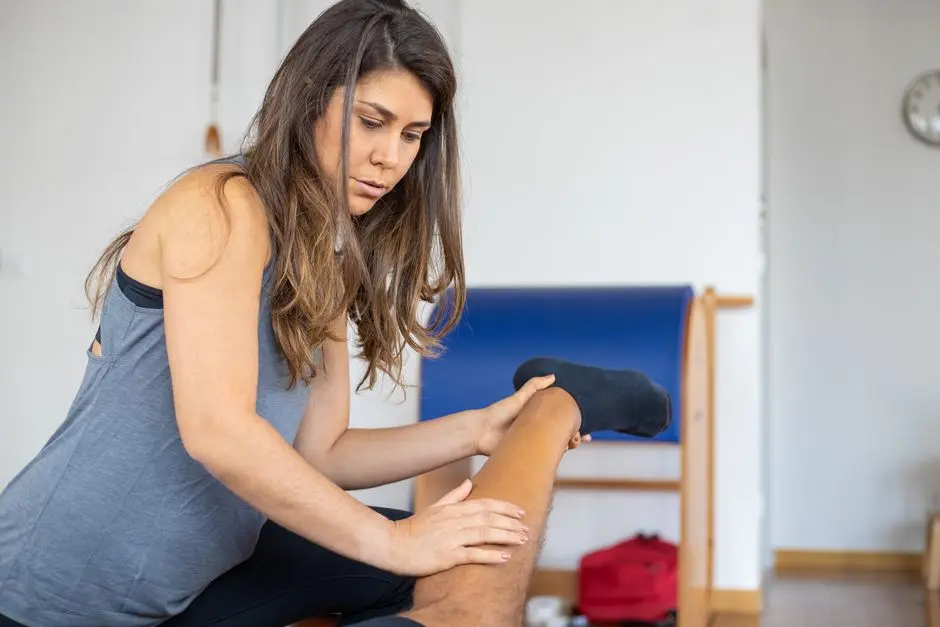 Photo: Kampus Production / Pexels
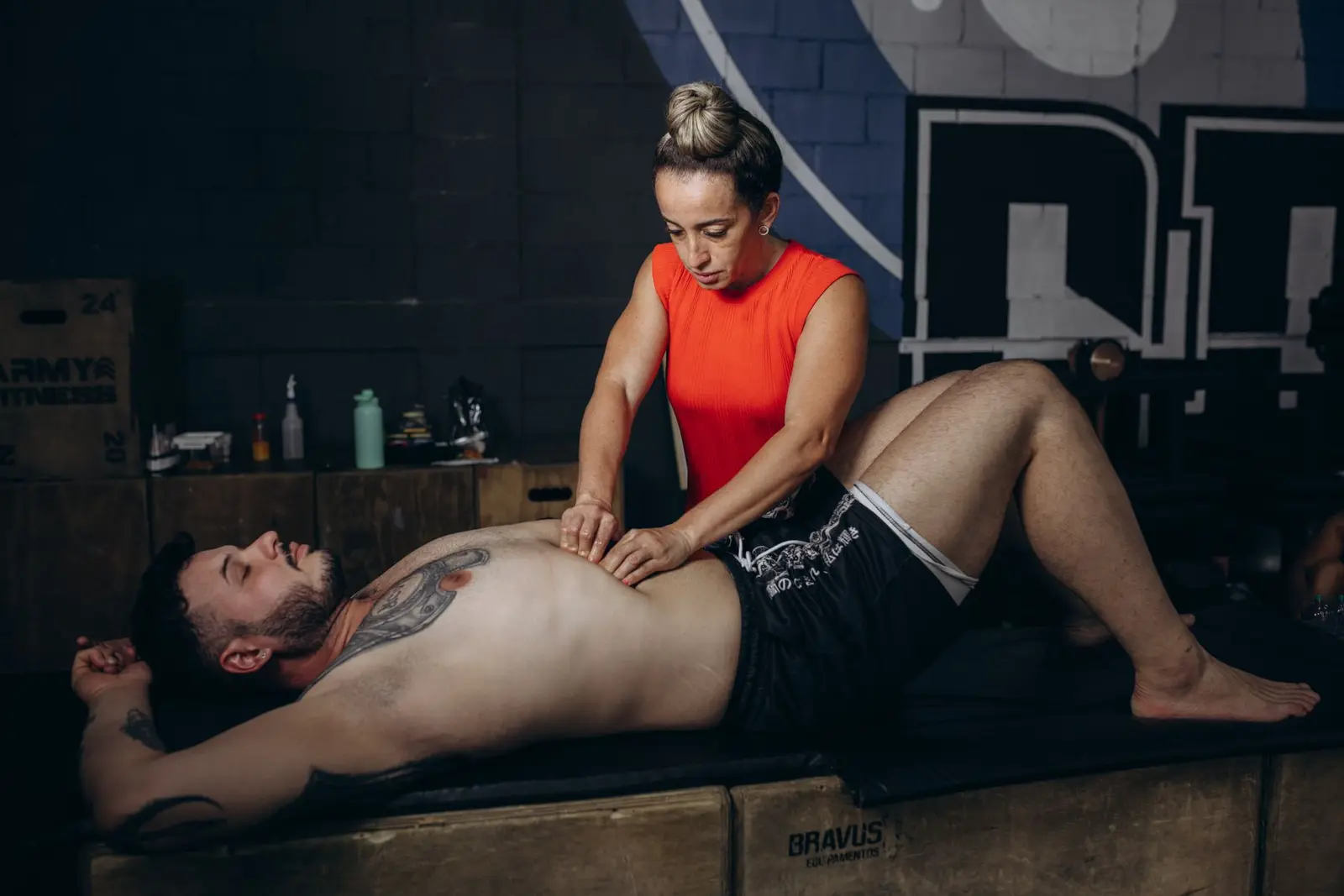 Photo: Jonathan Borba / Pexels
Your first session
An hour: an assessment, treatment on the day, and exercises to take home.
- 01
What happened
How it started, what makes it worse, and what you have stopped doing because of it.
- 02
The assessment
How you move, where the pain is coming from, and what is actually causing it.
- 03
Treatment the same session
Hands-on work and, where it helps, laser, ultrasound or shockwave.
- 04
Your exercises
Three or four, shown and written down. Not a stack nobody keeps up.
When we are open
Early and late appointments exist for people who work.
- Monday to Friday
- 8am – 8pm
- Saturday
- 9am – 2pm
- Sunday
- closed
Finding us
The address is below, with directions from wherever you are.
1 Example Street, Anytown
Had enough of it hurting?
Book an assessment and leave knowing what it is and what it takes to fix.
Monday to Friday, 8am – 8pm