You do not have to be bendy to start
Small classes where everything is shown, nothing is compulsory, and nobody looks at you. Come for the first one and see.
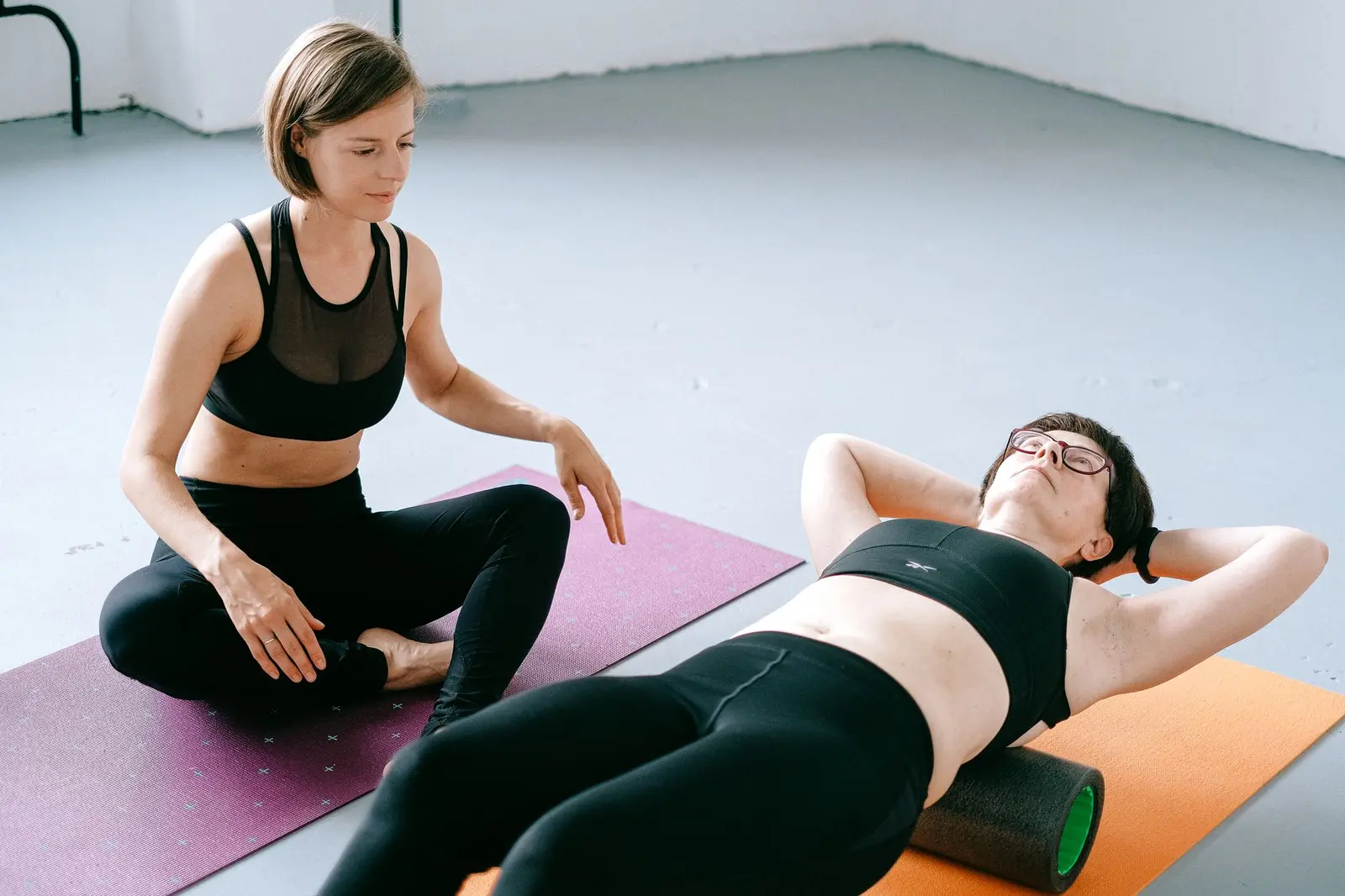 Photo: Anna Shvets / Pexels
- Small rooms
- Options every time
- Props, not straining
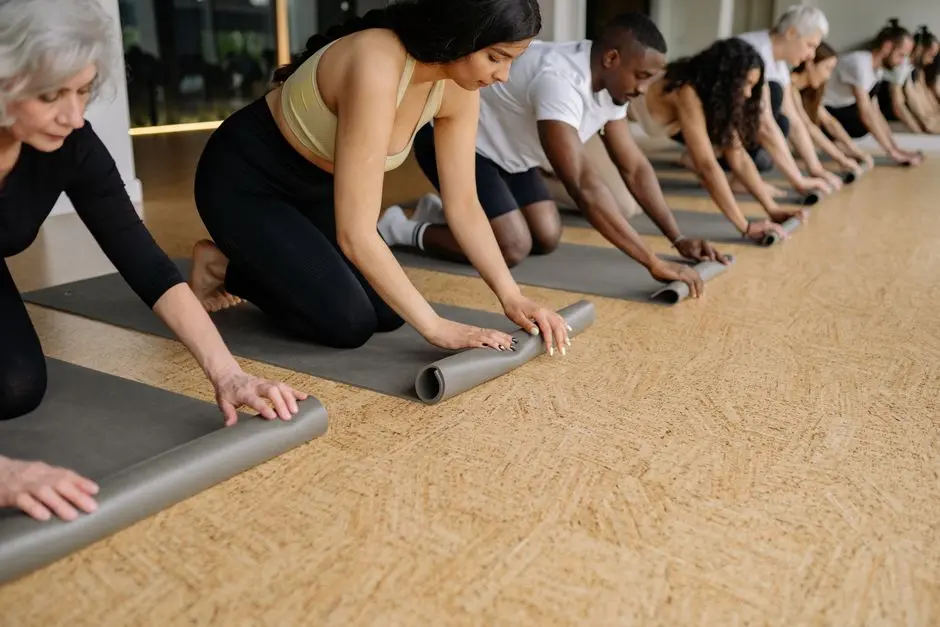 Photo: Yan Krukau / Pexels
The studioA quiet hour, taught properly
Most people arrive because their back hurts, their shoulders are up by their ears, or they want one hour a week where a phone cannot reach them. All three are good reasons.
We teach in plain words and show what we mean. You will not be asked to do anything without being shown how, and you will never be corrected by being touched without being asked first.
What we teach
Beginners
Everything explained slowly, with the names given in plain language as well as the Sanskrit.
Hatha
Held poses, steady pace, and time to work out where you actually are in each one.
Flow
Movement linked to the breath, warmer and faster, for when you want to sweat.
Yin and restorative
Long, supported holds for the deep stuff, and an hour that ends with you nearly asleep.
Pilates
Core and control, on the mat, for backs that have had enough.
Gentle and chair classes
For older bodies, stiff mornings and anybody coming back from injury.
Breathing and meditation
Short, practical, and nothing you would feel silly doing.
Pregnancy and after
Taught by somebody who knows what changes and when.
One to one
For an injury, a specific goal, or if a room full of people is not for you.
Workshops
Longer sessions on one thing, listed on the timetable.
Class passes
Drop in, or buy a block if you know you will keep coming.
What a class is like
- 01Small rooms
Enough people for atmosphere, few enough that you are seen and helped.
- 02Options every time
Harder and easier versions shown for everything, with no fuss about which you take.
- 03Props, not straining
Blocks and straps bring the floor closer. That is what they are for.
- 04Nothing compulsory
Sit one out. Nobody comments, and the teacher expects it.
Your first class
Nothing to buy, and nothing you need to be able to do.
- Step 1
Pick a beginners' class
Marked on the timetable, and slower than the rest by design.
- Step 2
Arrive a little early
Mats, blocks and straps are here; tell the teacher about any injuries.
- Step 3
The class
Every pose has an easier version and a prop to make it fit you. Resting is always allowed.
- Step 4
Come back
Once a week is enough to feel the difference within a month.
The studio
The rooms, the light, and where you leave your shoes.
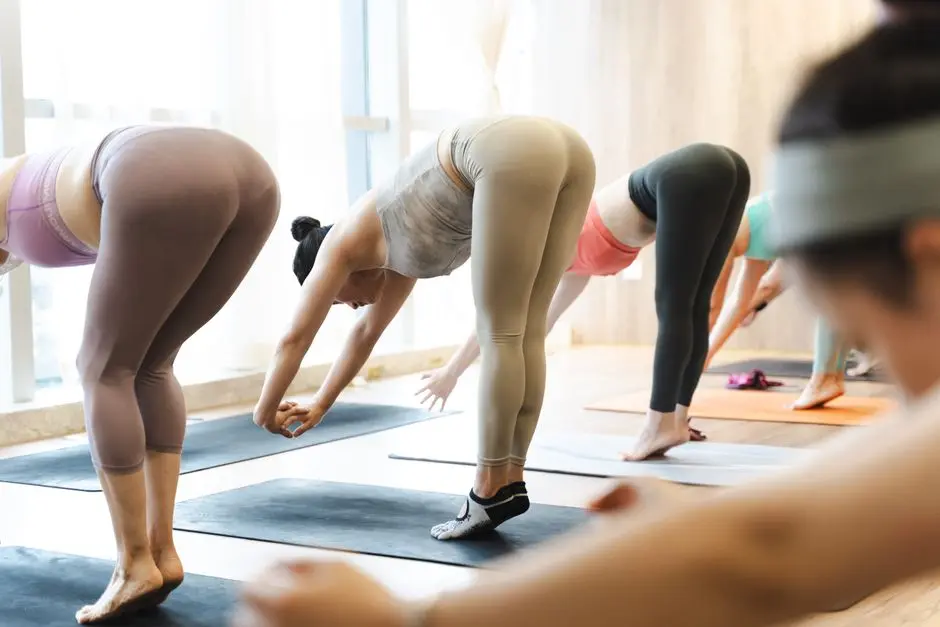 Photo: Nicholas Fu / Pexels
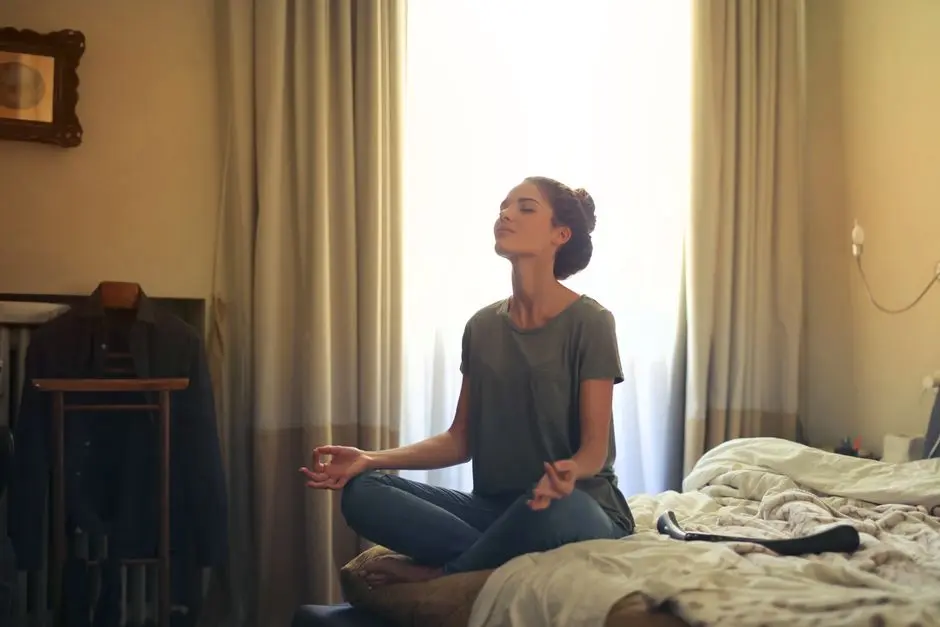 Photo: Andrea Piacquadio / Pexels
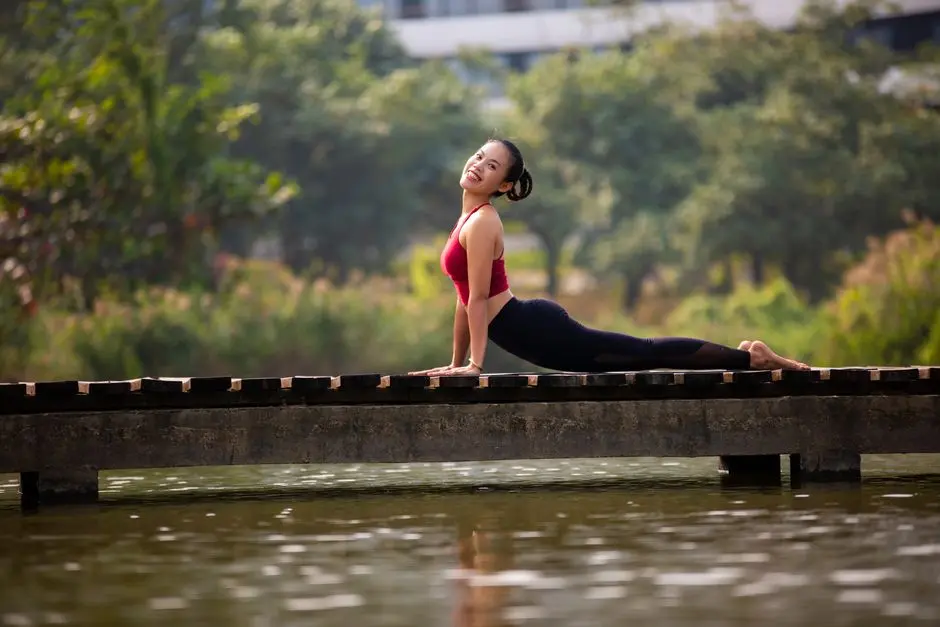 Photo: RAY LEI / Pexels
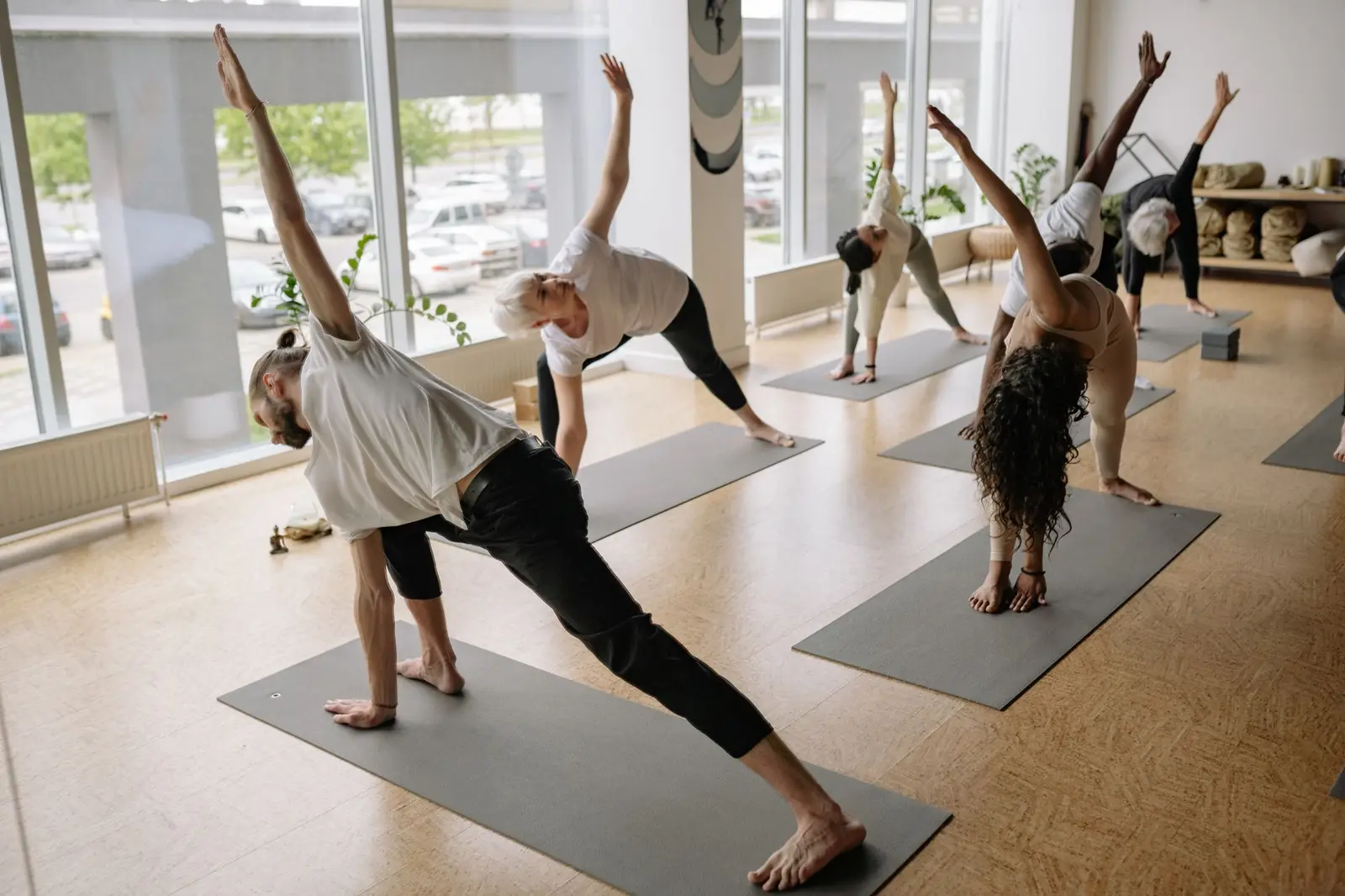 Photo: Yan Krukau / Pexels
Questions people ask
I am not flexible at all.
Nobody is at the start, and flexibility is what classes are for rather than what they require.
Which class should I start with?
A beginners' or hatha class. Flow is faster and yin is slower — try one of each once you have found your feet.
What do I wear?
Anything you can move in. Bare feet, or socks with grip if you would rather.
Do I need to book?
For most classes yes, because the rooms are small. The timetable says which.
I have a bad back or knee.
Tell the teacher before class. There is a version of everything that will suit you.
Can I try one class first?
Yes. Come once and decide afterwards — that is how most people start.
Been meaning to start?
Book one class. If it is not for you, you have lost an hour.
Monday to Friday, mornings and evenings
Book a class
Send which class you would like and whether you have done any before. Tell us about injuries — it helps the teacher plan.
Get directionsMonday to Friday, mornings and evenings
When classes are
The full timetable is on our page and changes with the season.
- Monday to Friday
- mornings and evenings
- Saturday
- mornings
- Sunday
- one afternoon class