 Photo: Nicholas Derio Palacios / Pexels
A place to say it out loud
An hour a week with somebody whose job is to listen carefully and keep it to themselves. In person or online, individually or as a couple. The first conversation is about whether this is right for you.
- 01 / 04First contactA short call, with no commitment.
- 02 / 04ListeningYour story, at your pace.
- 03 / 04Working togetherSmall steps that fit your life.
- 04 / 04Going onWith tools that stay with you.
Starting therapy
What to expect before you commit to anything.
- Step 01
Get in touch
A short message is enough. You do not need to explain everything.
- Step 02
A first call
To see whether we are a good fit, with no charge.
- Step 03
The initial session
Talking about what brought you, at your pace, and what you want to be different.
- Step 04
Agree the arrangement
How often we meet, how long for, and how we will know whether it is working.
What I work with
- 01Individual sessionsThe main part of the work: one hour, one to one, weekly to begin with.
- 02Anxiety and panicThoughts that will not put themselves down, and a body that stays switched on.
- 03Low moodDays that flatten out, and the effort of doing ordinary things.
- 04Loss and griefFor a person, a relationship, a job, or a life you expected to have.
- 05Stress and burnoutWhen work has taken more than it gave back.
- 06CouplesWhere the difficulty is between two people rather than inside one, with both in the room.
- 07Family sessionsFor what has settled between parents, children and the rest of the house.
- 08Young peopleAdolescents, with the boundaries around confidentiality agreed with everyone at the start.
- 09Confidence and self-worthThe voice that gets there first and says you cannot.
- 10Life changesA move, a birth, a diagnosis, a retirement — any hinge that is harder than expected.
- 11Online sessionsThe same hour, by video, for people abroad or a long way out.
What you can expect
- 01Start with a conversationA short talk first, to see whether we are a good fit. No commitment.
- 02What you say stays hereConfidential, with the few legal exceptions explained in the first session.
- 03Your paceWeekly to begin with, usually. You decide when to stop, and you can pause.
- 04In person or onlineWhichever gets you through the door, or to the screen, more easily.
The room
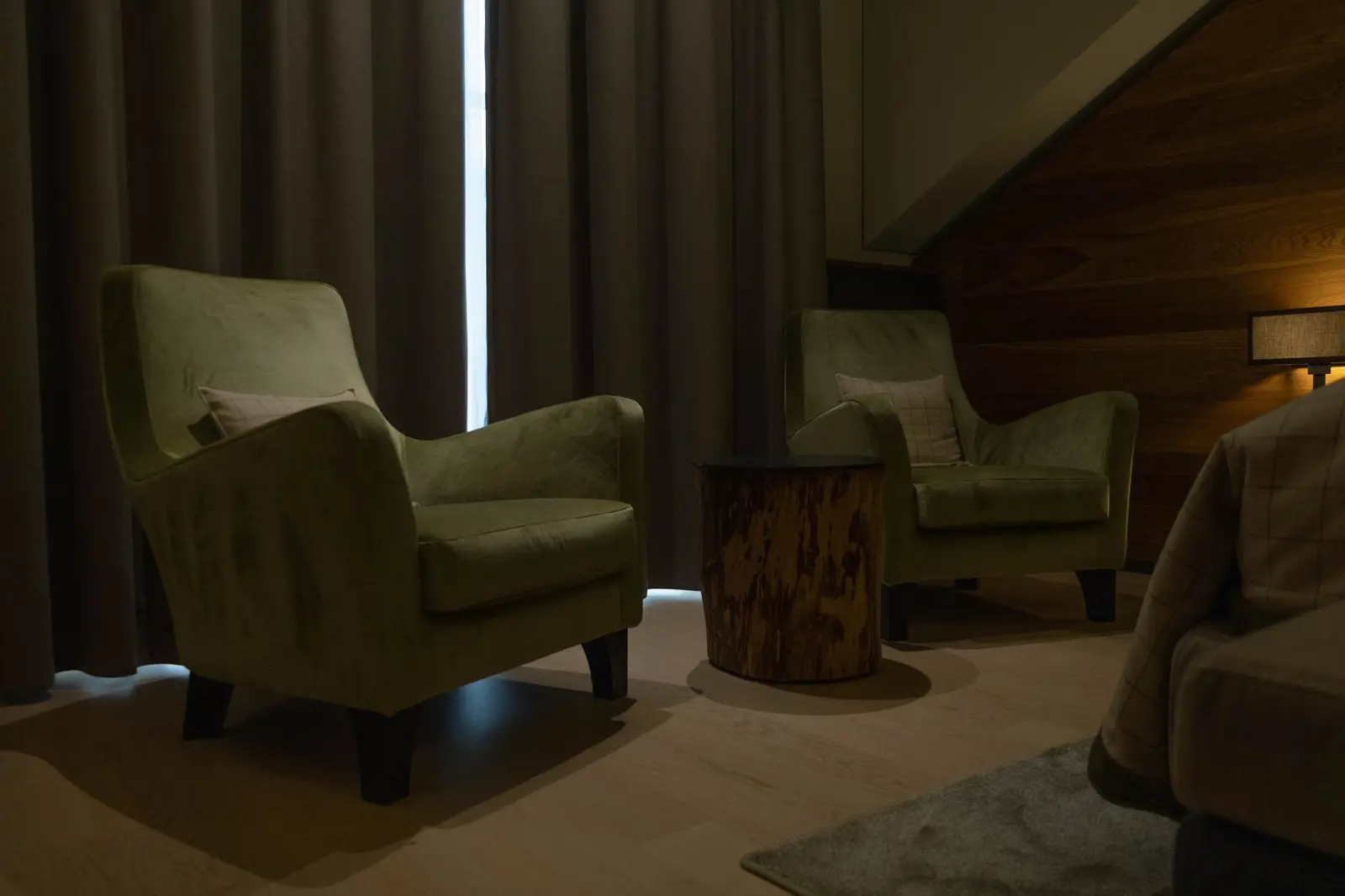
Where sessions happen. Quiet, private, and nothing like a waiting room.
 Photo: Merve / Pexels
 Photo: Dima Solomin / Pexels
 Photo: kaboompics.com / Pexels
 Photo: Max Vakhtbovych / Pexels
The practiceOrdinary difficulties, taken seriously
People come here when something has become too heavy to carry alone: a loss, a fear that has grown, a relationship that hurts, a stretch of feeling nothing much at all.
We work at what you bring, in the order you want to bring it. Nothing is dragged out of you, and you are never asked to perform being fine.
 Photo: RDNE Stock project / Pexels
 Photo: kaboompics.com / Pexels
 Photo: juliane Monari / Pexels
Questions people ask
01What happens in the first session?
You say what brought you, I ask some questions, and we agree what would be useful. You can decide at the end whether to come back.
02How long does it take?
It depends what you bring. Some things take six sessions, some take longer. We review it out loud rather than letting it drift.
03Is it confidential?
Yes. The exceptions are the legal ones about serious risk, and I explain them at the start so nothing is a surprise.
04Is this the same as seeing a psychiatrist?
No. A psychiatrist is a doctor and can prescribe. If medication is worth discussing, I will say so and help you find the right person.
05Do I have to talk about my childhood?
Only if it turns out to be useful. We start with what is happening now.
06What if I need to cancel?
Let me know as early as you can, and at least the day before, so the hour can go to somebody else.
07What if I do not know what to say?
That is common, and not a problem. Sitting with it is part of the work.
Thinking about it?
Send a message. You do not have to explain everything, or anything at all — just say you are thinking about it.
Monday to Thursday, 9am – 8pm