 Photo: olia danilevich / Pexels
Where it stopped making sense, and how to fix it
One to one lessons that start by finding the gap, not by going faster. A plan you can see, and a child who stops dreading the subject.
Worth knowing
- 01Find the gap first
Most trouble started two years before the thing they cannot do now.
- 02A plan you can see
What we are covering, in what order, and how it lines up with school.
- 03Told the truth
What is realistic in the time left, said plainly and early.
- 04Confidence counts
A child who believes they can do it works between lessons. That is where the progress is.
What we teach
- 01PrimaryReading, writing and number confidence, before a dislike sets in.
- 02Exam preparationPast papers, technique and timing, with the gaps filled as we go.
- 03ResitsStarting from what went wrong last time rather than from the beginning of the book.
- 04Entrance examsFor a school or a course, with the format practised until it holds no surprises.
- 05MathsFrom the basics up, taught until it makes sense rather than until it is memorised.
- 06LanguagesReading, writing and actually speaking, out loud, from the first lesson.
- 07SciencesThe ideas first, then the questions, then the exam technique.
- 08Essays and courseworkPlanning, structure and how to answer the question that was asked.
- 09Study skillsA revision plan that fits a real week, and how to start when starting is the hard part.
- 10Online lessonsThe same lesson by video, which suits teenagers more often than parents expect.
- 11AdultsComing back to a subject years later, without embarrassment.
Starting lessons
The first few weeks, step by step.
- Step 1
A first chat
What the subject is, where it is going wrong, and any exams coming up.
- Step 2
Find the gap
A short session working backwards until we find where it stopped making sense.
- Step 3
Regular lessons
Building from there, with something short to practise between them.
- Step 4
Progress updates
After every lesson: what we did and what to work on. For parents too, where it is a child.
The tutoringTeaching one person at a time
In a class of thirty, a child who missed one idea has no way of saying so. One to one, that is the first thing we find — and it is usually further back than anybody expected.
We work with what school is doing rather than against it, and we tell you honestly how much can be covered before an exam rather than promising a grade.
 Photo: Max Vakhtbovych / Pexels
Where we work
The room, the desk and the whiteboard — nothing exciting, and that is the point.
 Photo: kaboompics.com / Pexels
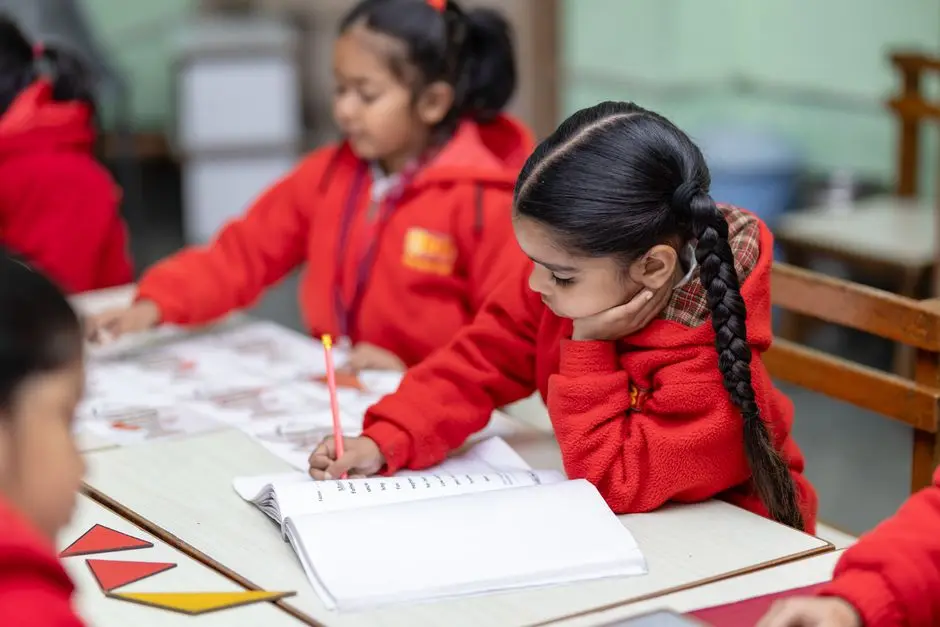 Photo: Bhupindra International Public School / Pexels
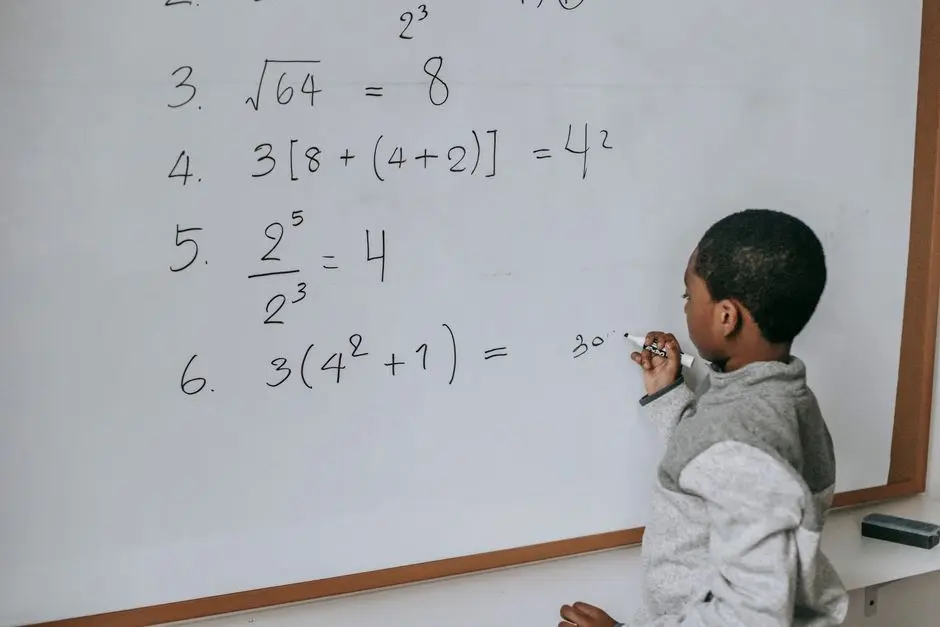 Photo: Katerina Holmes / Pexels
 Photo: Thirdman / Pexels
Questions parents ask
- How many lessons will it take?
- We will tell you after the first one, honestly. Some need a term, some need six weeks before an exam.
- Where do lessons happen?
- At home, here or online — whichever works.
- Will you tell me how it is going?
- After every lesson, briefly: what we did and what to practise. No surprises at the end of term.
- My child says they hate the subject.
- That is usually fear rather than dislike, and it changes once something clicks.
- The exam is in three weeks.
- Then we will be honest about what can be fixed and what should simply be practised, and spend the time on the questions that carry the most marks.
- Can you guarantee a grade?
- No, and nobody honest can. We can tell you what is realistic and work hard for it.
Exam coming up?
Get in touch now rather than in the last month. It is the difference between fixing and cramming.
Ask about lessons
Send the subject, the year group, what is going wrong and when the exam is, if there is one. You will get an honest answer about what we can do.
1 Example Street, Anytown
When lessons are
Exam season books up early; ask sooner rather than later.
- Monday to Friday
- after school until 8pm
- Saturday
- mornings